
Critical Care
POCUS in Critical Care
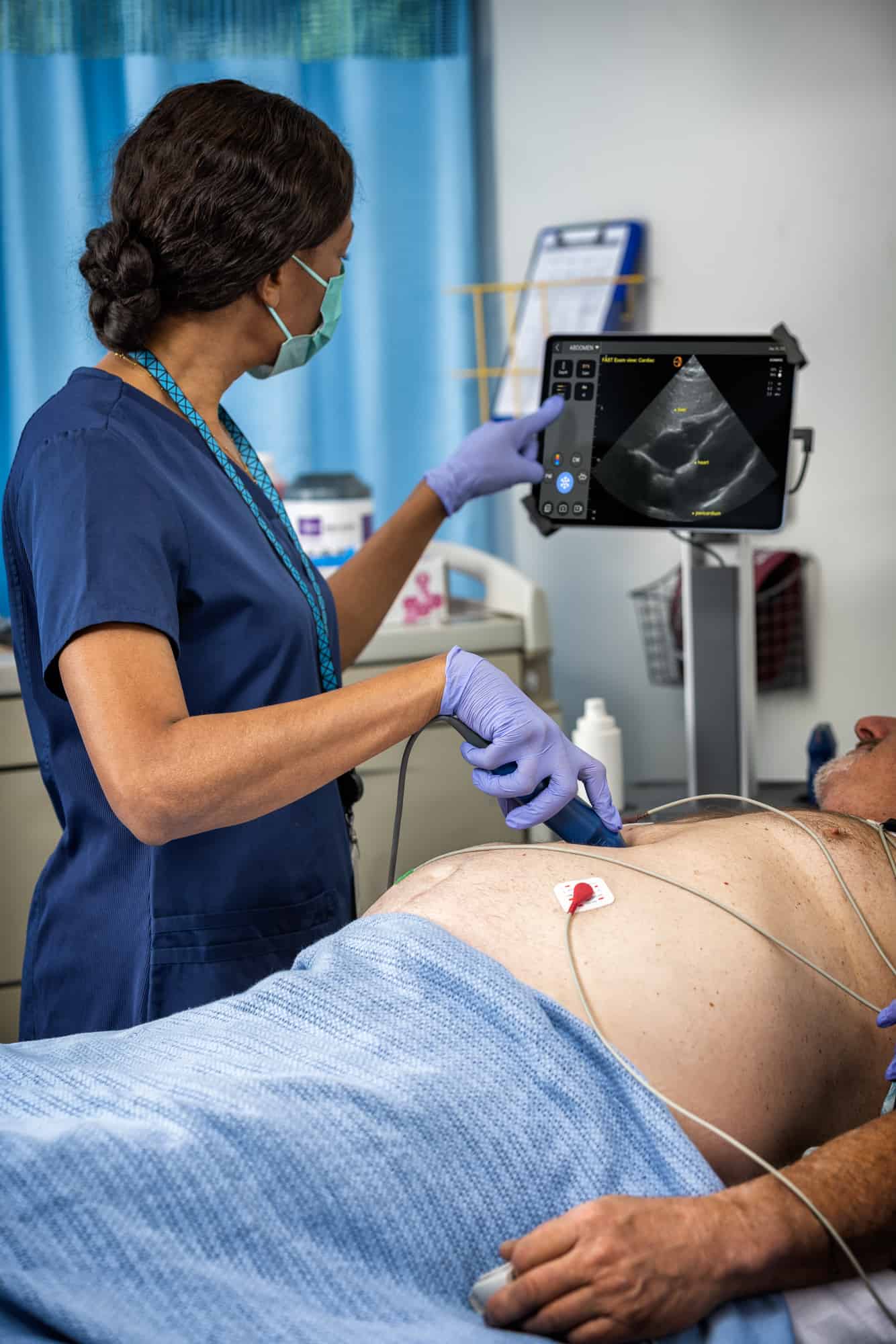
The expanding use and availability of Point-of-Care ultrasound has physicians embracing it’s use when evaluating critically ill patients. Having ultrasound readily available to view anatomical and hemodynamic information, directly impacts the way physicians are able to manage patients in the critical care environment, while also improving patient comfort and safety. POCUS provides diagnostic and procedural capabilities plus the opportunity for frequent monitoring of patient conditions. The availability of smaller, less expensive equipment means that ultrasound has never been more accessible to the critical care physician. The additional value that AI adds to the mix, expanding the potential of ultrasound to provide support for more complex exams and reports, immediately at the point of care, reducing the need for in-house referrals and wait time.
COMMON USES OF POCUS IN CRITICAL CARE:
Procedural
- Central Line Placement
- Arterial Catheterization
- Thoracentesis
- Paracentesis
- Pericardiocentesis
- Arthrocentesis
- Nerve Block
- Abscess Drainage
Diagnostic
- Cardiac Assessment
- Assessment of Venous Congestion (VExUS & FUSIC)
- Detention and Monitoring of Abnormal Fluid Collections
- Bladder Volume
- Aorta
- DVT
- Pulmonary Embolism
- Lung and Pleura
Kosmos Advantages in CRITICAL CARE
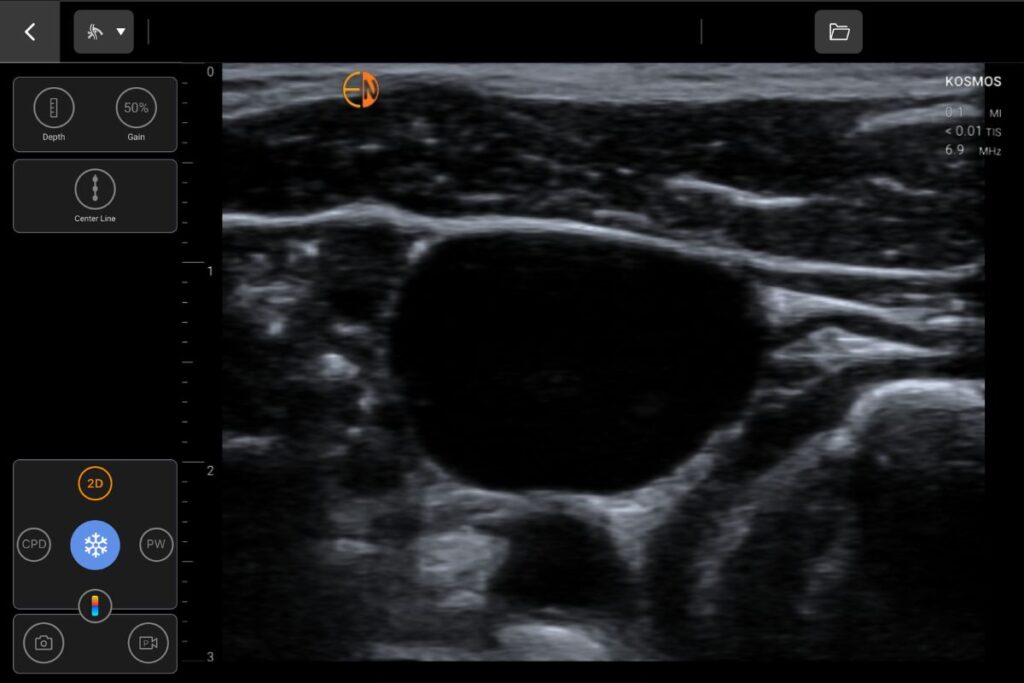
Excellent Image Resolution
With proprietary PZT transducer technology. Kosmos images are sharp even at depth

Cardiac, Lung and Abdominal Imaging with One Probe
Complete standard evaluation of the cardiothoracic cavity and abdomen, all with one transducer

Pulsed Wave Doppler (PW)
For hemodynamic assessments, including the VExUS exam for Venous Congestion
Continous Wave Doppler (CW)
The ONLY ultraportable device with CW Doppler to assess and monitor valvular Disease
Procedural Safety
Compound imaging on Lexsa probe provides improved visualization of the anatomy and need path
EF
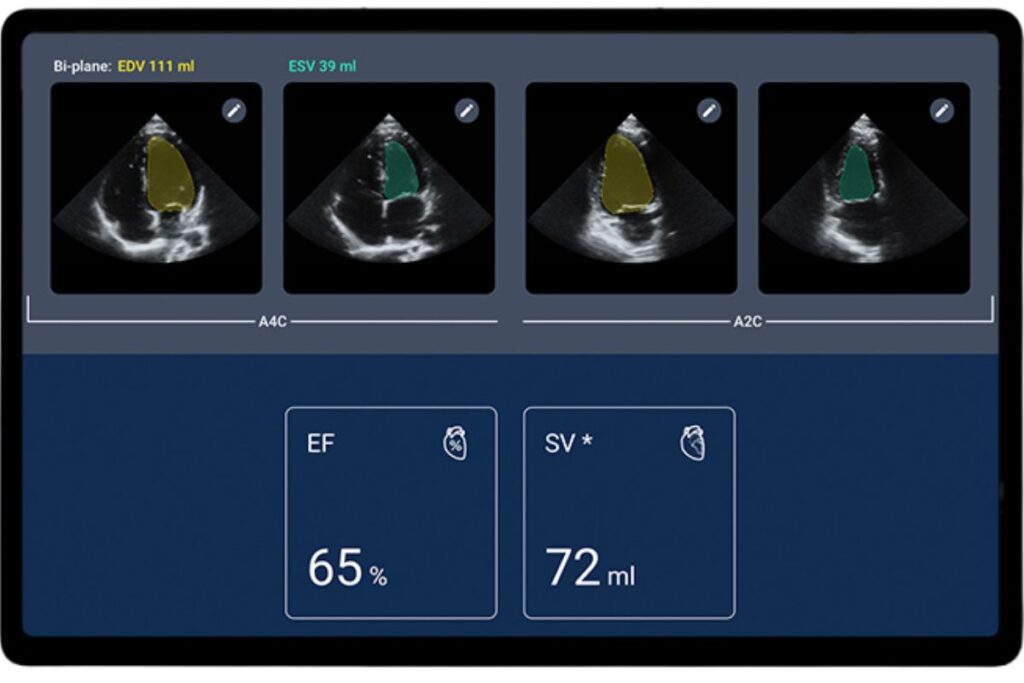
Auto EF
Get quick answers for left ventricular systolic function at the bedside with our AI-driven gold-standard Biplane EF. Trio features can auto-capture your images

NEW | Auto Preset
Touch-free, real-time exam preset optimization
Speed and Efficiency
Why wait? Kosmos image quality, features, and automated calculation packages, provide immediate answers to support clinical decisions at the point-of-care
Cost Effective Solution
Save time, money and resources by assessing patients at the point of care, reducing the need for in-house referrals
Battery Life
Ninety minutes of continuous scanning capability allows for reliability during critical times
Portability
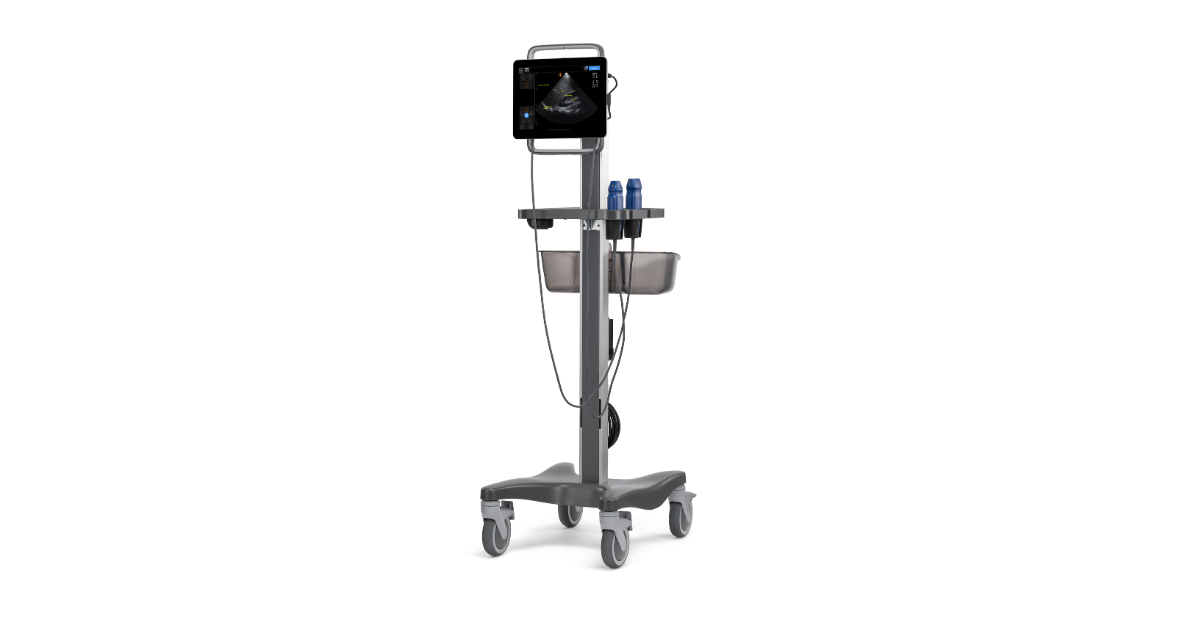
Kosmos fits into tight office spaces on the compact AI stand, or as a standalone ultraportable handheld probe and tablet
Easy to Clean
Kosmos is Trophon compatible and designed for heavy hospital use where infection control is most important
5-Year Warranty
We have you covered with our robust, industry-leading warranty serviced by our team in Redmond, Washington
Kosmos Configurations
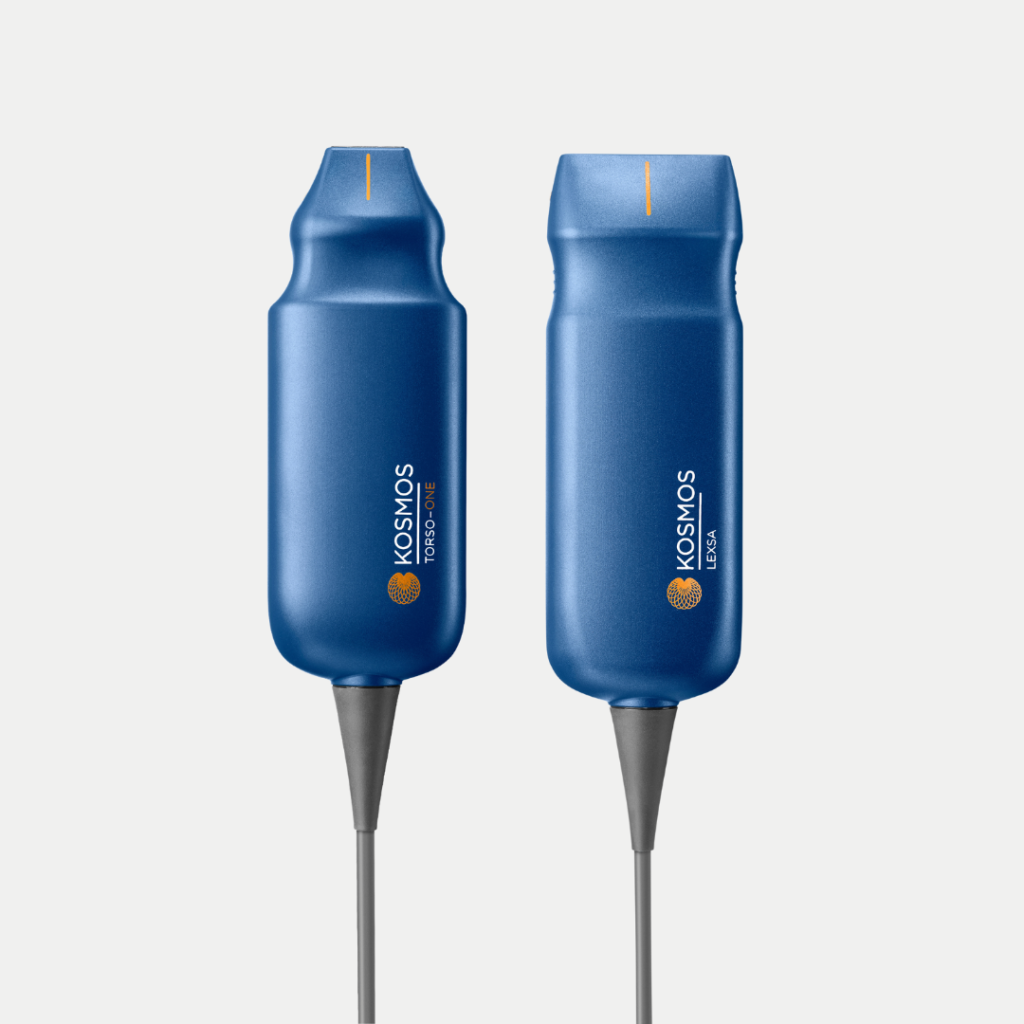
Standalone Probes
Torso-One Phased Array probe for Heart, Lung, Abdominal, and Bladder AI applications
Lexsa Linear Array probe for MSK, Vascular, Nerve, Guidance and Lung applications
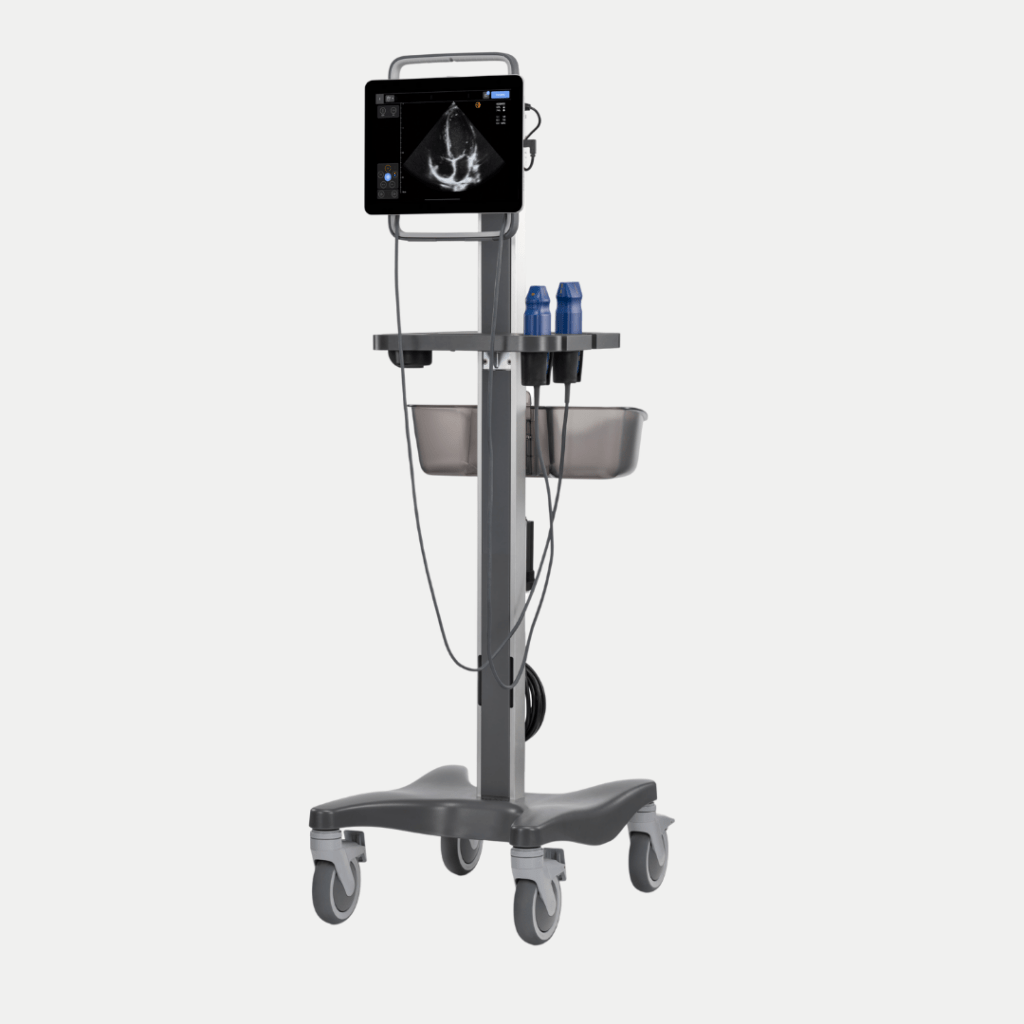
Kosmos Plus
Fully-featured POCUS configuration with everything included — cutting-edge AI, advanced Doppler features, choice of probes, a 13in Apple iPad® and medical-grade stand — all for less than $21k
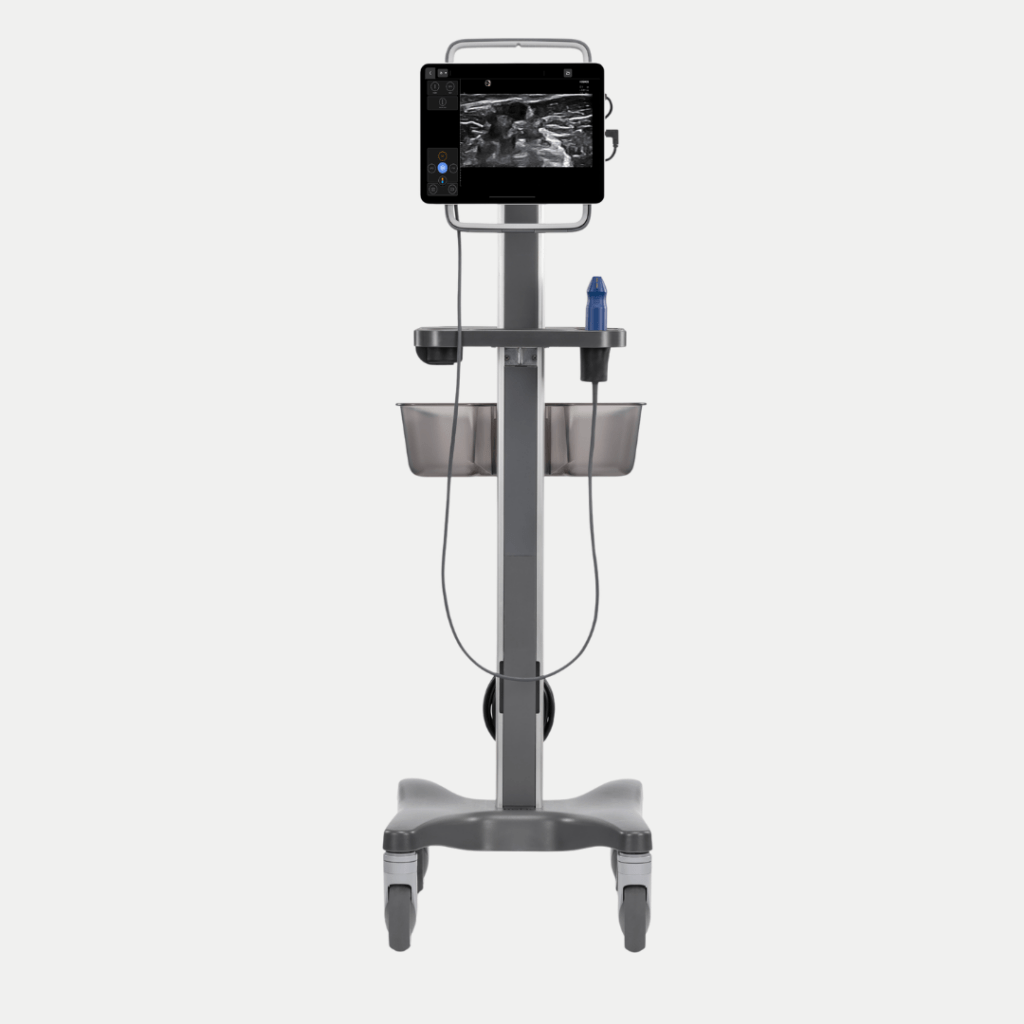
Kosmos Vascular Access Bundle
The perfect solution for Ultrasound-Guided Vascular Access applications — Color Doppler, Color Power Doppler, Pulsed Wave Doppler, Kosmos Lexsa probe and a medical-grade stand — all for less than 12k
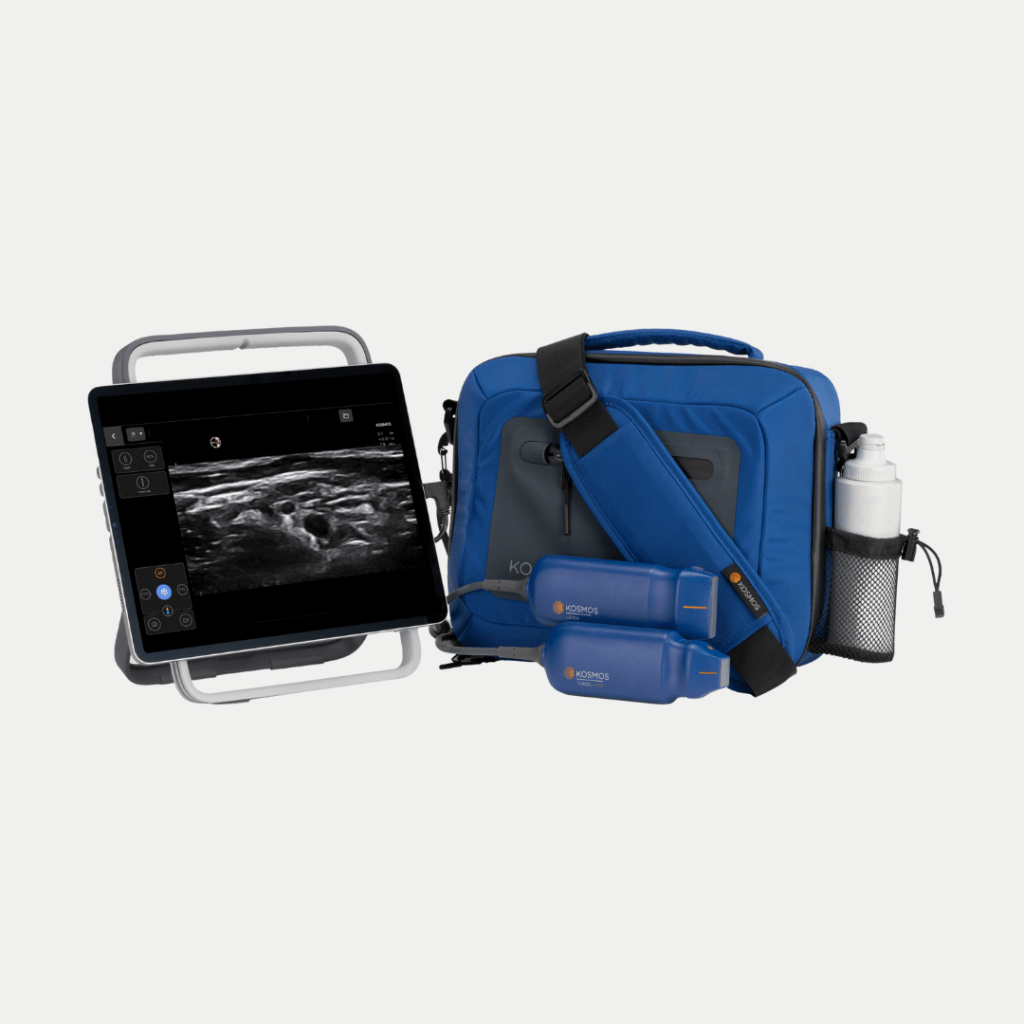
Kosmos Mobile
Tailored for clinicians on-the-go, Kosmos Mobile included an Apple iPad Air or Pro®, Kosmos Essential Carrying Case, choice of probes, advanced Doppler features and our innovative AI capabilities
Kosmos Flexibility
Apple iOS iPads, Android tablets or Kosmos proprietary Bridge tablet available for display
Resources & Insights
How is AI transforming POCUS? What’s ahead for providers and patients in ultrasound technology? We’re here to answer these questions — with our in-depth resources.
-
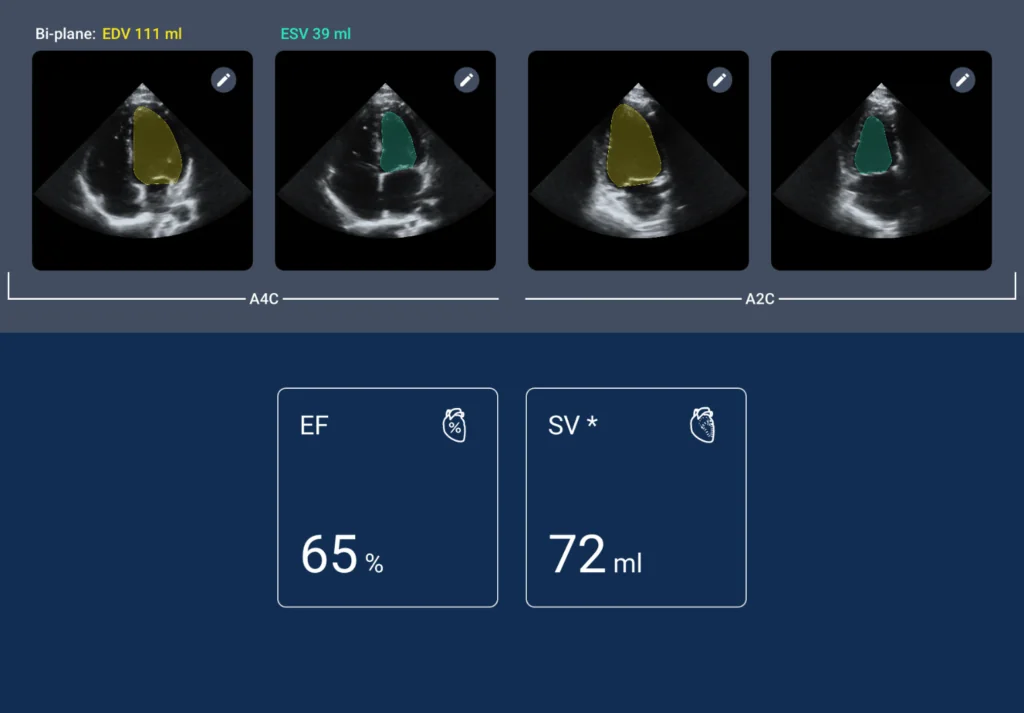
AI-Assisted LVEF vs. Cardiac MRI: 2025 Validation Study in Italy
AI-Assisted LVEF vs. Cardiac MRI 2025 Validation Study in Italy A recent prospective study in the Journalof Clinical Medicine offers compelling evidence that portable, artificial intelligence-assisted ultrasound can now match the precision of Cardiac Magnetic…
-
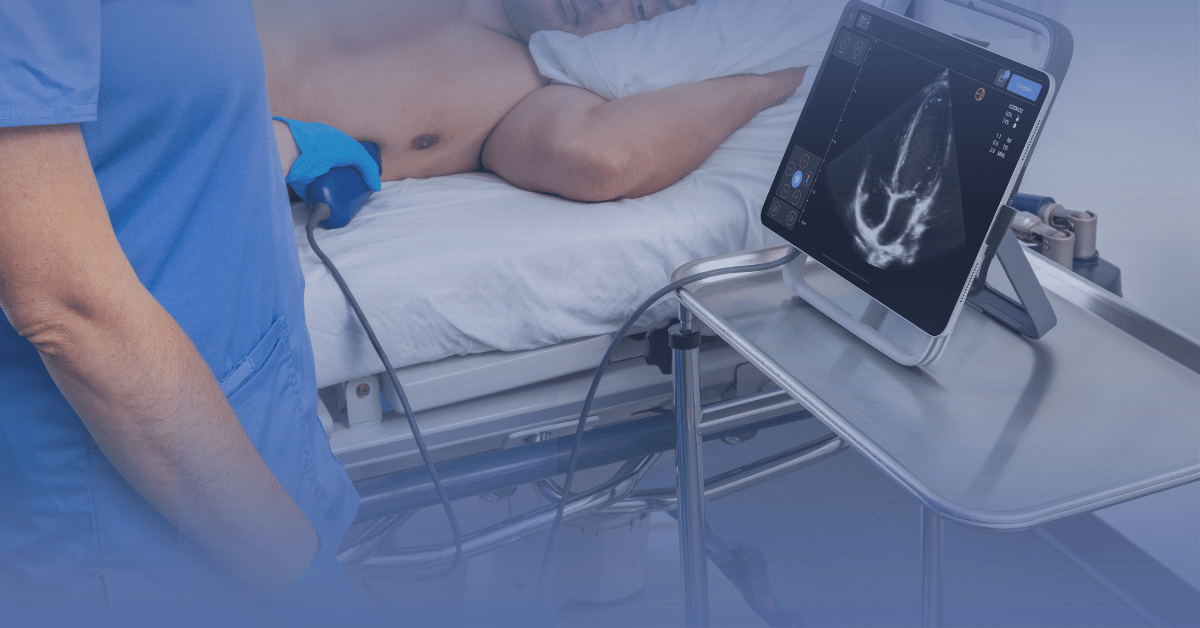
New Research: Can Nephrologists Accurately Assess Heart Function Using AI?
Can Nephrologists Accurately Assess Heart Function Using AI? New Research The link between kidney disease and heart failure is well-established, making cardiac assessment a critical skill in nephrology. However, formal echocardiography – the gold standard…
-
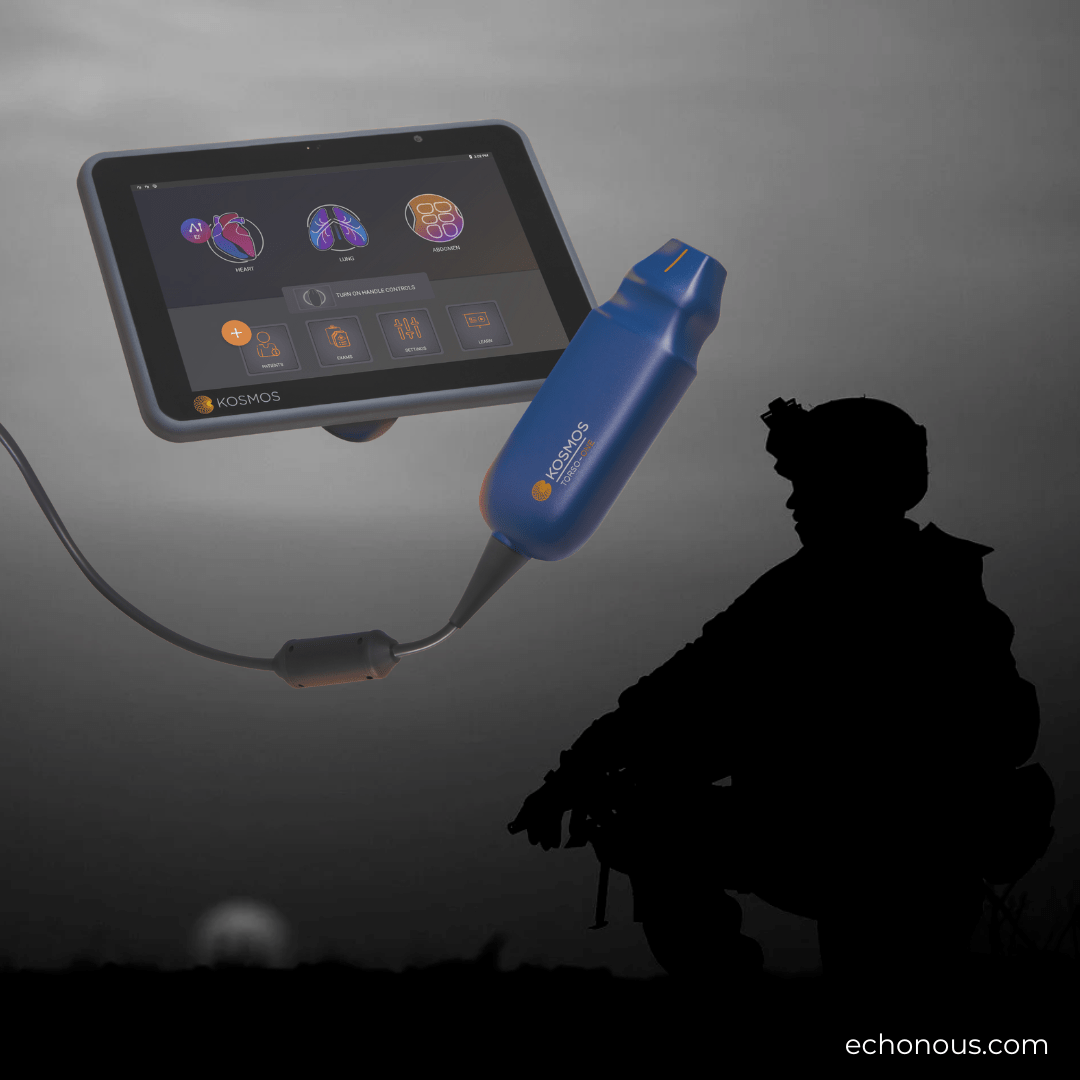
New Research: AI-Assisted Ultrasound in Military Trauma Settings
AI-Assisted Ultrasound in Military Trauma Settings New Research In the high-stakes environment of military combat, Non compressible Truncal Hemorrhage (NCTH) remains a leading cause of preventable death. While the Focused Assessment with Sonography in Trauma…
-
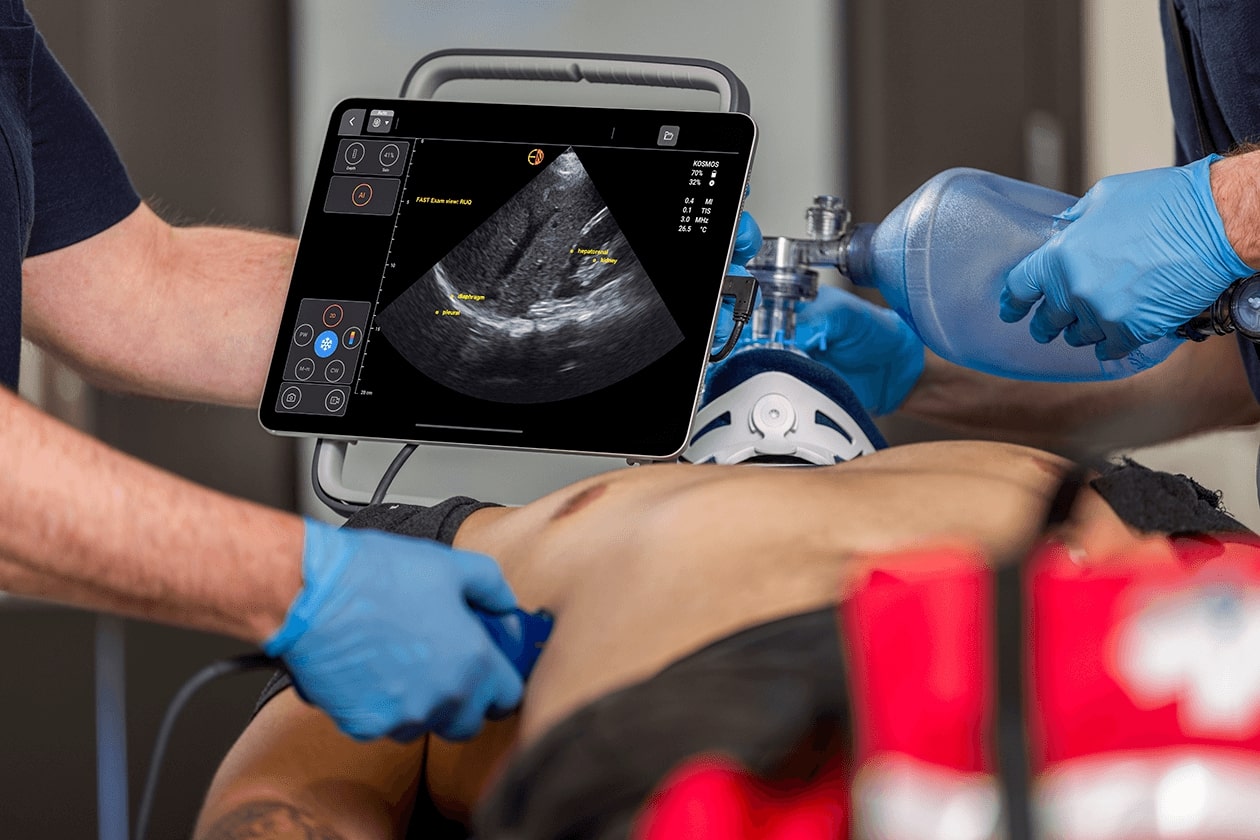
FAST Exam: How a POCUS Protocol Changed Trauma Care
FAST Exam: How a POCUS Protocol Changed Trauma Care In the trauma bay, where every second matters, clinicians once relied on physical examinations, time consuming scans, and invasive procedures to diagnose internal injuries, leading to…
-
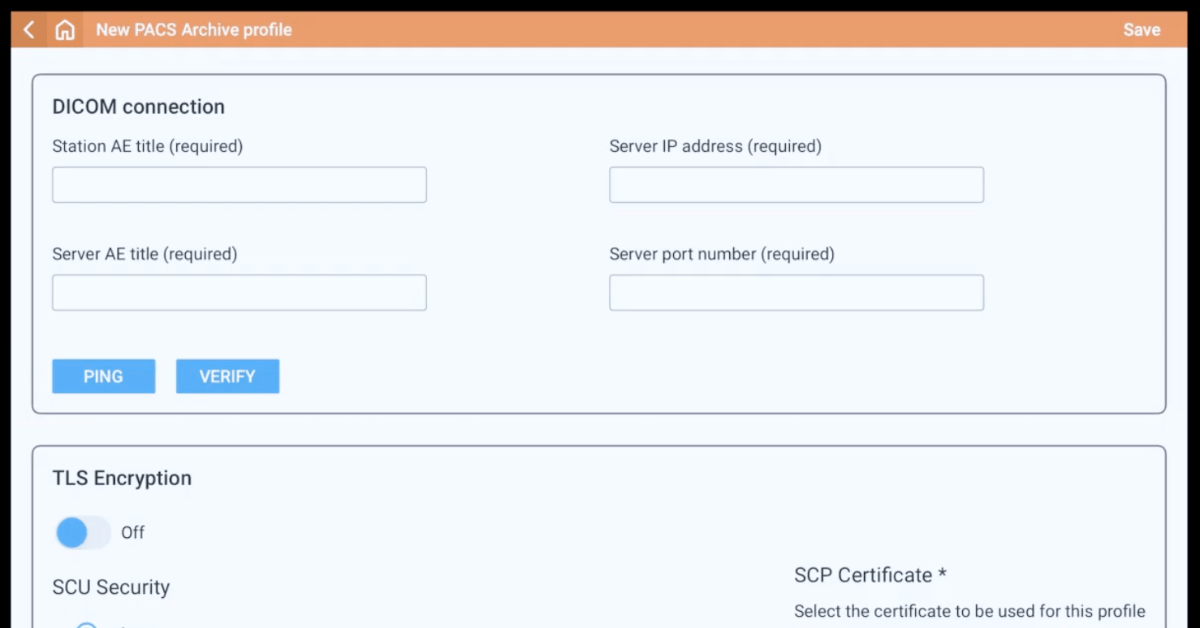
Understanding Hospital IT Infrastructure and Kosmos Ultrasound Device Integration
Understanding Hospital IT Infrastructure and Kosmos Ultrasound Device Integration Making Sense of EHRs, EMRs, DICOM, PACS, TLS, and more. The EchoNous Team For the clinician at the bedside, the primary focus is the patient. You…
-

Small Bone Fractures POCUS
POCUS First for Small Bone Fractures: A Modern, Evidence-Based Approach for Reducing X-Ray Delays and Radiation In the emergency department (ED) or acute care setting, few things are as routine as a suspected fracture of…
-
Redefining POCUS Value: Getting Cart-Level Performance Without the Cart-Level Price
Redefining POCUS Value: Getting Cart-Level Performance Without the Cart-Level Price When clinicians and administrators evaluate new point-of-care ultrasound (POCUS) devices, “best value” is a critical, multi-faceted metric. It’s not just about “what’s the cheapest probe?”…
-
From Palpation to Visualization: Why POCUS is Redefining the Lumbar Puncture
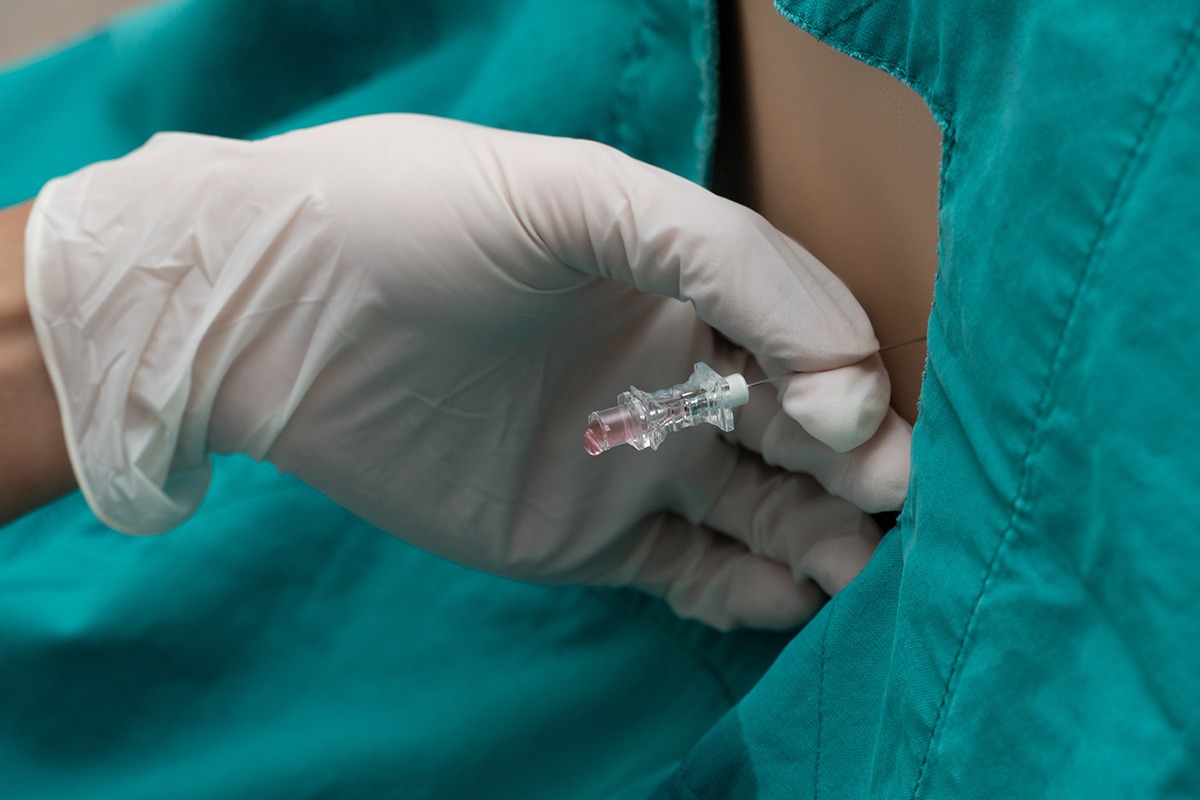
From Palpation to Visualization: Why POCUS is Redefining the Lumbar Puncture For many clinicians, the lumbar puncture (LP) is a core procedure learned by feel. Training traditionally focuses on palpating for the iliac crests, finding…
-
Beyond a “Good Squeeze”: How to Get LVEF on Kosmos Three Ways
Beyond a Good Squeeze: How to Get LVEF on Kosmos Three Ways For decades, clinicians have honed the skill of “eyeballing” a cardiac ultrasound—assessing the left ventricle’s “squeeze” to estimate its function. This rapid, qualitative…
-

Retropharyngeal Abscess: The Evolving Role of Bedside Ultrasound
Retropharyngeal Abscess: The Evolving Role of Bedside Ultrasound The diagnosis of a retropharyngeal abscess (RPA) represents a serious challenge in emergency medicine and pediatrics. Primarily affecting children five and younger, retropharyngeal abscess is uncommon but…