AI-Assisted Ultrasound in Military Trauma Settings
2025 Research
In the high-stakes environment of military combat, Non compressible Truncal Hemorrhage (NCTH) remains a leading cause of preventable death. While the Focused Assessment with Sonography in Trauma (FAST) exam is a critical tool for diagnosing internal bleeding, Army medics often lack the formal ultrasound training required to perform it confidently in the field.
A recent prospective randomized controlled trial published in Military Medicine (2025) sought to answer a vital question: Can Artificial Intelligence (AI) help minimally trained medics perform FAST exams more effectively?
Table of Contents
The Study: AI vs. Standard Ultrasound
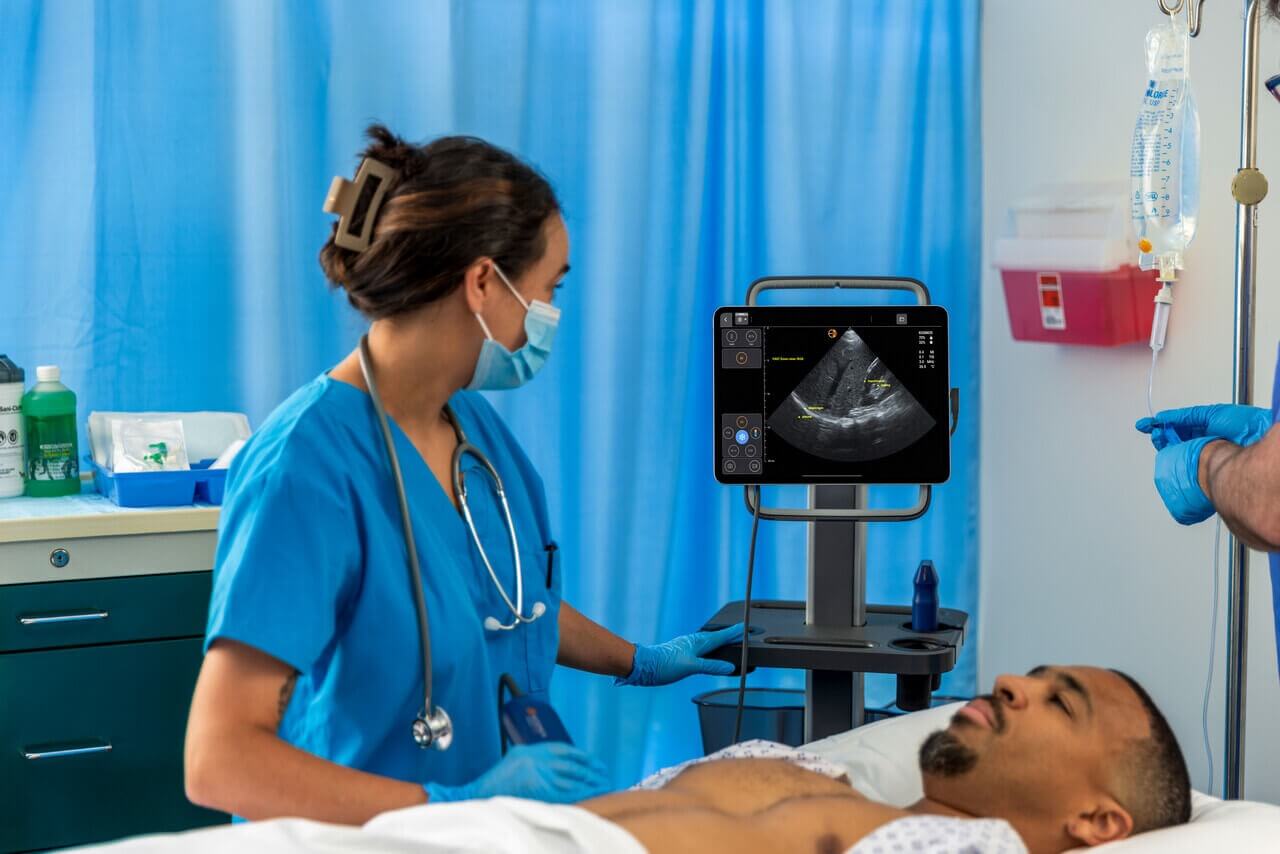
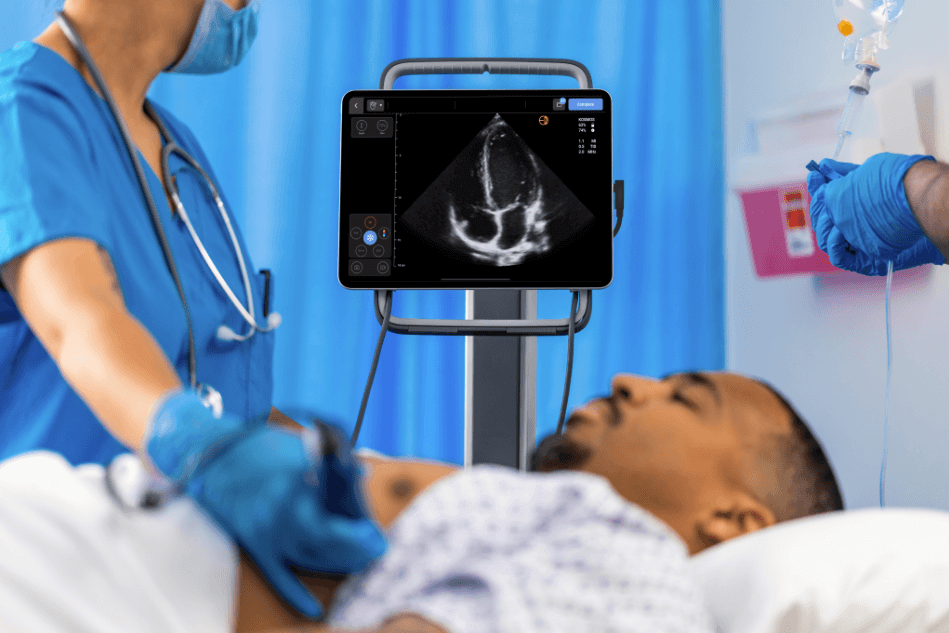
The study involved 60 US Army medics who performed 3-view abdominal FAST exams using the Kosmos ultrasound device from EchoNous. Participants were randomized into two groups: one using the device’s AI-assisted labeling features, and one performing the exam without AI assistance.
Key Findings: Confidence and Quality Over Speed
The results offered a fascinating look at how AI impacts clinical performance:
- Speed: AI did not significantly speed up the process. Both groups completed the exam in just under 2.5 minutes (142.57 seconds for AI vs. 143.87 seconds for non-AI).
- Image Adequacy: The AI group produced significantly higher quality images, particularly in the difficult Left Upper Quadrant (LUQ) and Pelvic views.
- Confidence: Medics using AI reported significantly higher confidence in their exams (median score of 4.0 vs. 2.5 on a 5-point scale)
Why This Matters
While AI didn’t make the medics faster, it made them better and more confident. In austere combat environments where advanced imaging is unavailable, the ability for a novice user to capture diagnostic-quality images could be the difference between life and death. The study suggests that AI tools like those found in the Kosmos device can effectively “up-skill” providers, enhancing trauma care capabilities on the battlefield.
Want to learn more about the origins of this life-saving protocol?
Understanding the future of trauma care starts with understanding its history. Read our full article on how the FAST exam revolutionized emergency medicine: FAST Exam: How a POCUS Protocol Changed Trauma Care
Interested in the technology behind the study?
If you would like to see how AI-assisted ultrasound can support your clinical practice or training curriculum, our team is here to help.
Q&A: AI-Assisted Ultrasound in Military Trauma Settings
According to recent research, AI assistance significantly improves image adequacy and user confidence for medics performing the FAST exam. The AI tools help users identify organs and free fluid, which is critical for diagnosing internal bleeding in austere environments where expert supervision may not be available.
In the 2025 study involving Army medics, AI assistance did not significantly reduce the time required to complete the exam. Both the AI-assisted and non-AI groups completed the 3-view scan in approximately 2.5 minutes. However, the AI group achieved higher quality images in that same timeframe, particularly in challenging views like the left upper quadrant.
Non compressible truncal hemorrhage (NCTH) is a leading cause of preventable death on the battlefield. Since advanced imaging like CT scans is often unavailable in combat zones, the FAST exam serves as a crucial, rapid tool for triaging patients and diagnosing intra-abdominal bleeding.
Yes. The study findings suggest that AI tools can enhance the quality of FAST exams conducted by minimally trained medics. Medics using AI reported significantly higher confidence in their ability to use the device, with a median confidence score of 4.0 out of 5, compared to 2.5 for the non-AI group.