

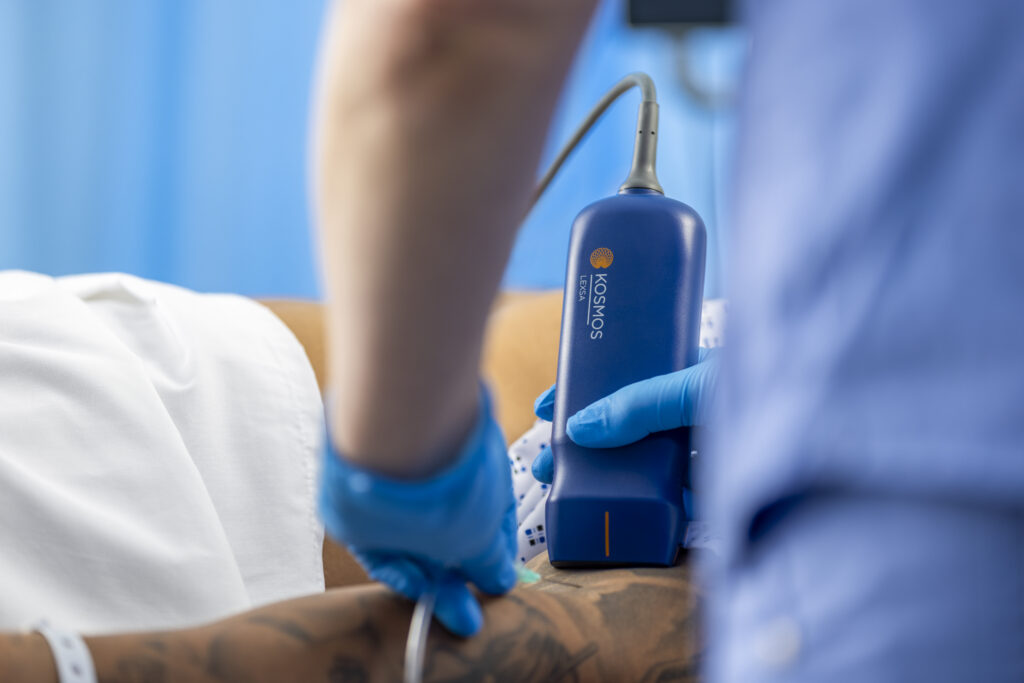
IV-TEAM APPROVED
The Perfect Solution for Ultrasound-Guided Vascular Access Applications
Why Choose Kosmos for Vascular Access?
Experience the unparalleled precision of Kosmos Lexsa for Vascular Access, offering high quality 2D compound imaging with advanced Doppler capabilities. With both Color and Pulsed Wave Doppler assure all users of the arterial and or venous status. Elevate your readiness for any clinical scenario or procedure with our vascular imaging technology.
Improved Patient Satisfaction
Use ultrasound guidance to shorten the procedure time and minimize needle passes to enhance patient comfort and improve patient satisfaction
Procedural Safety
Reduce complications and increase first-attempt success rates with ultrasound guidance. Kosmos Compound imaging provides clear visualization of the anatomy and needle path

Advanced Doppler Features
Lexsa offers Color Doppler, Color Powered Doppler, and Pulsed Wave Doppler for easy identification of vascular structures
Affordability
With flexible payment options, Kosmos can be purchased to fit your preferred payment plans
Portability
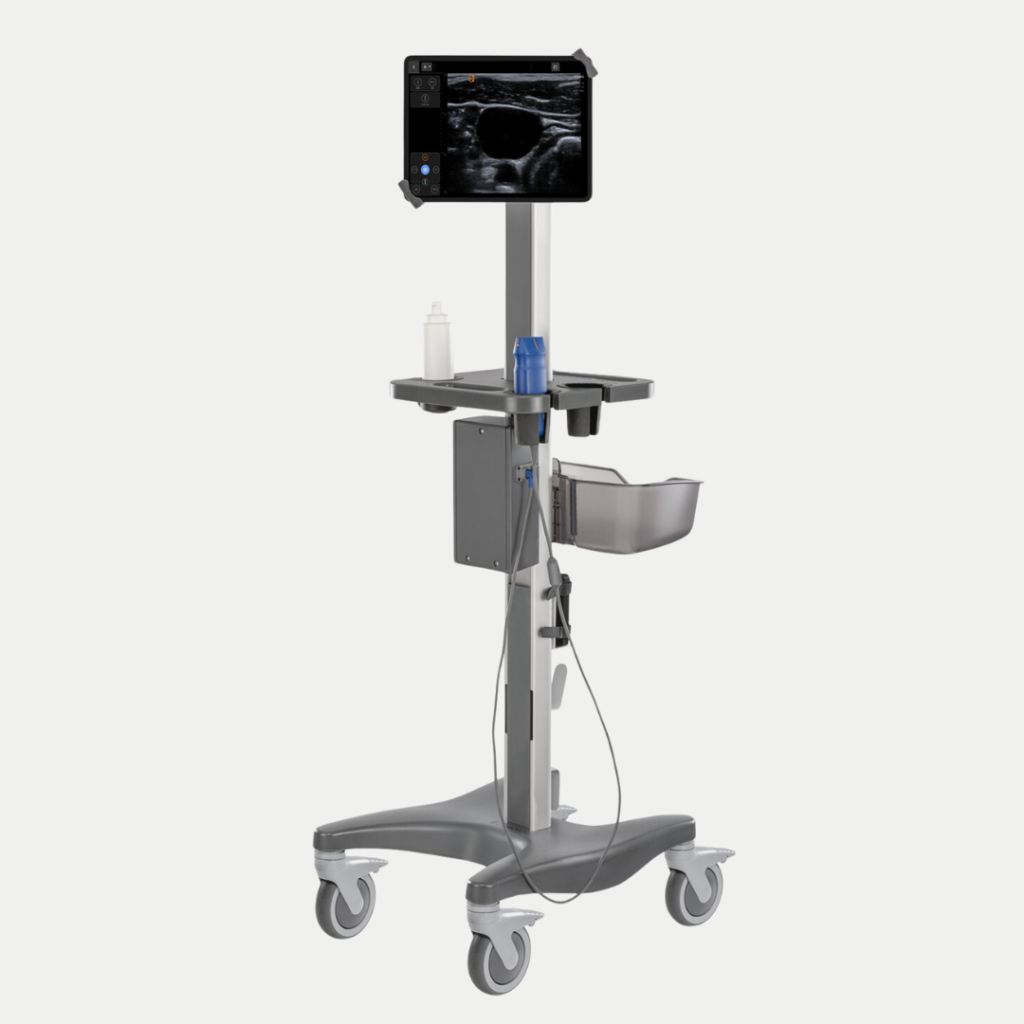
Kosmos fits into tight office spaces on the compact AI stand, or as a standalone ultraportable handheld probe and tablet
Easy to Clean
Kosmos is Trophon compatible and designed for heavy hospital use where infection control is most important
5-Year Warranty
We have you covered with our robust, industry-leading warranty serviced by our team in Redmond, Washington
LEARN MORE TODAY!
Vascular Access Ultrasound You Can Trust
The Kosmos Vascular Access offers exceptional image quality with advanced compound imaging technology, ensuring precise and clear needle visualization and imaging of veins, arteries, and vascular structures up to a 10cm scanning depth.
This complete package includes a medical-grade stand, tablet, Kosmos Lexsa transducer, Color Doppler, Color Power Doppler, and Pulsed Wave Doppler. It’s designed with minimal surfaces for easy cleaning and compatibility with high-level disinfection systems like trophon 2.
Resources & Insights
-
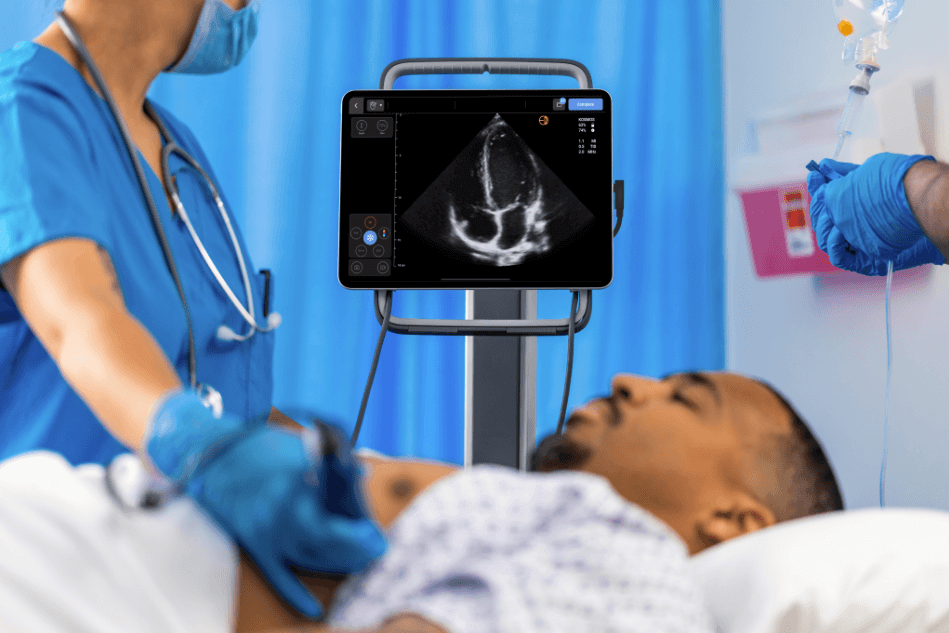
Cardiac Ultrasound Machines in 2026: Why the Best Choice Isn’t Necessarily a Traditional Cart
Cardiac Ultrasound Machines in 2026: Why the Best Choice Isn’t Necessarily a Traditional Cart For most of the last two decades, a cardiac ultrasound machine meant more or less one thing: a cart in the…
-
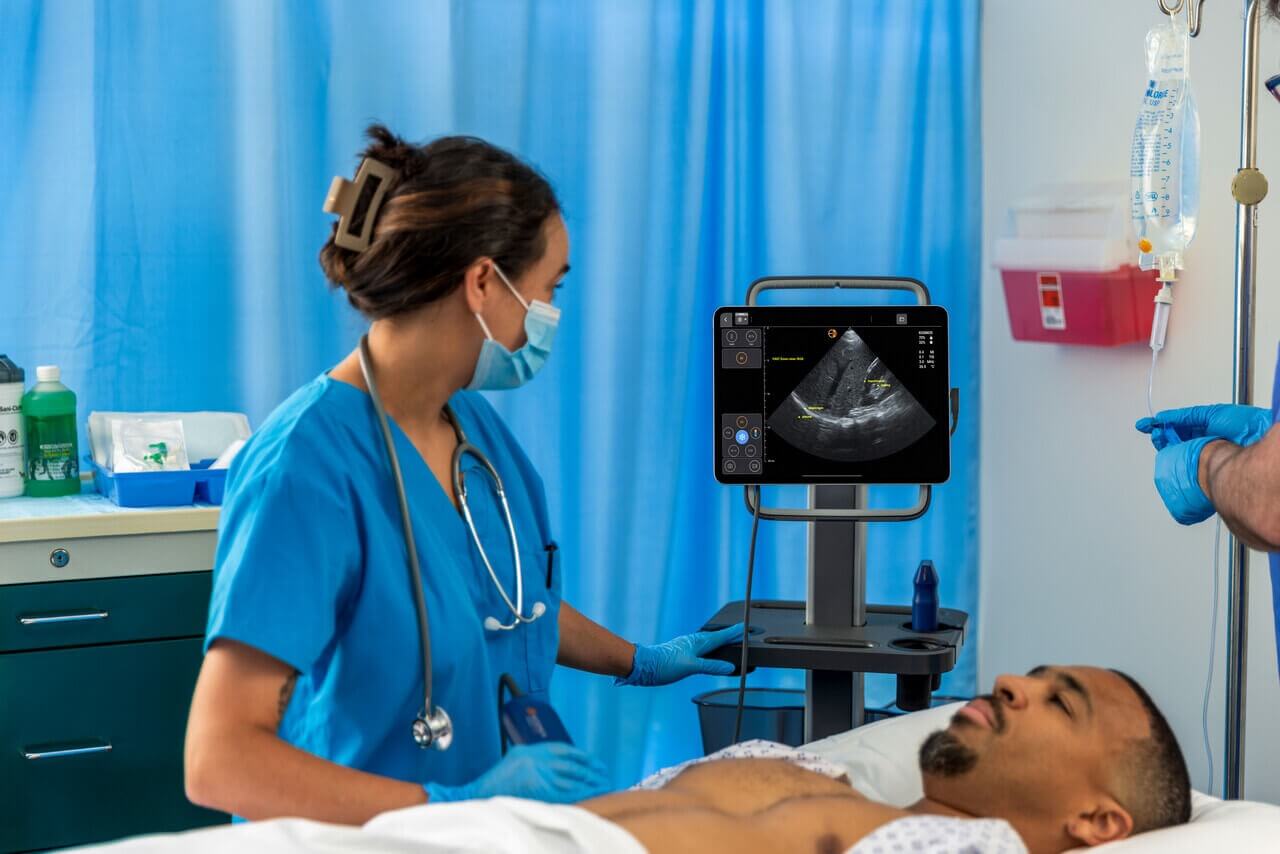
Advancing Perioperative Ultrasound: Dr. Deepak Borde on AI and Echoliteracy
Advancing Perioperative Ultrasound: Dr. Deepak Borde on AI and Echoliteracy Cardiac anesthesiologists rely on rapid access to accurate patient data. As point-of-care ultrasound (POCUS) evolves, the ability to perform complex assessments at the bedside is…
-
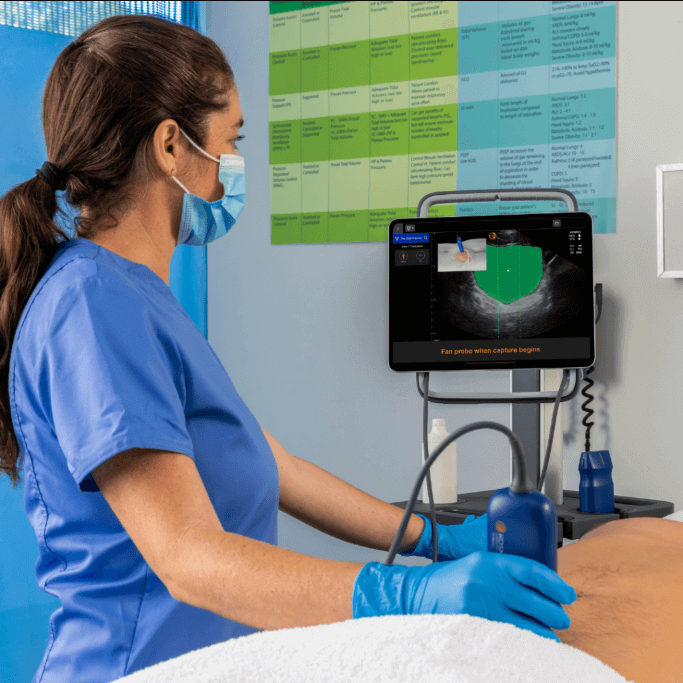
The Best Bladder Scanners in 2026: Comparison, Reviews, & Buyer’s Guide
The Best Bladder Scanners in 2026: Comparison, Reviews, & Buyer’s Guide Choosing a bladder scanner isn’t as complicated as it first appears, and it’s also not as simple as picking the most familiar brand or…
-

Enhancing Patient Safety in Labor and Delivery with Point-of-Care Ultrasound
Enhancing Patient Safety in Labor and Delivery with Point-of-Care Ultrasound In the high-stakes environment of a Labor & Delivery (L&D) unit, information is the ultimate currency. For decades, clinicians have relied on digital cervical exams…
-
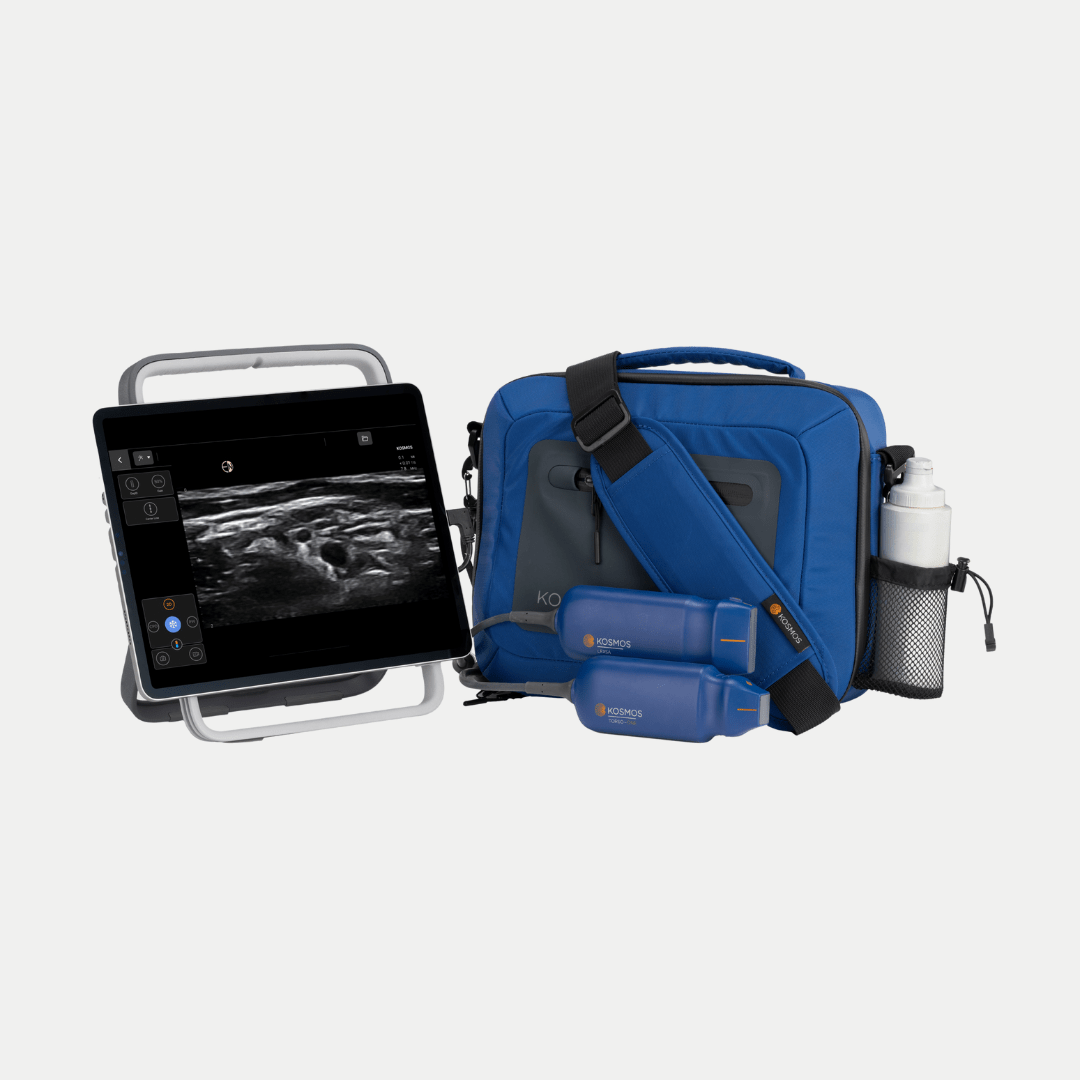
Evaluating Point-of-Care Ultrasound Systems & Clinical Use Case
Evaluating Point-of-Care Ultrasound Systems & Clinical Use Case When evaluating a new point-of-care ultrasound (POCUS) system, clinical leaders, educators, and hospital buyers may feel bombarded with top-tier lists, technical specification sheets, brand comparisons and more.…
-
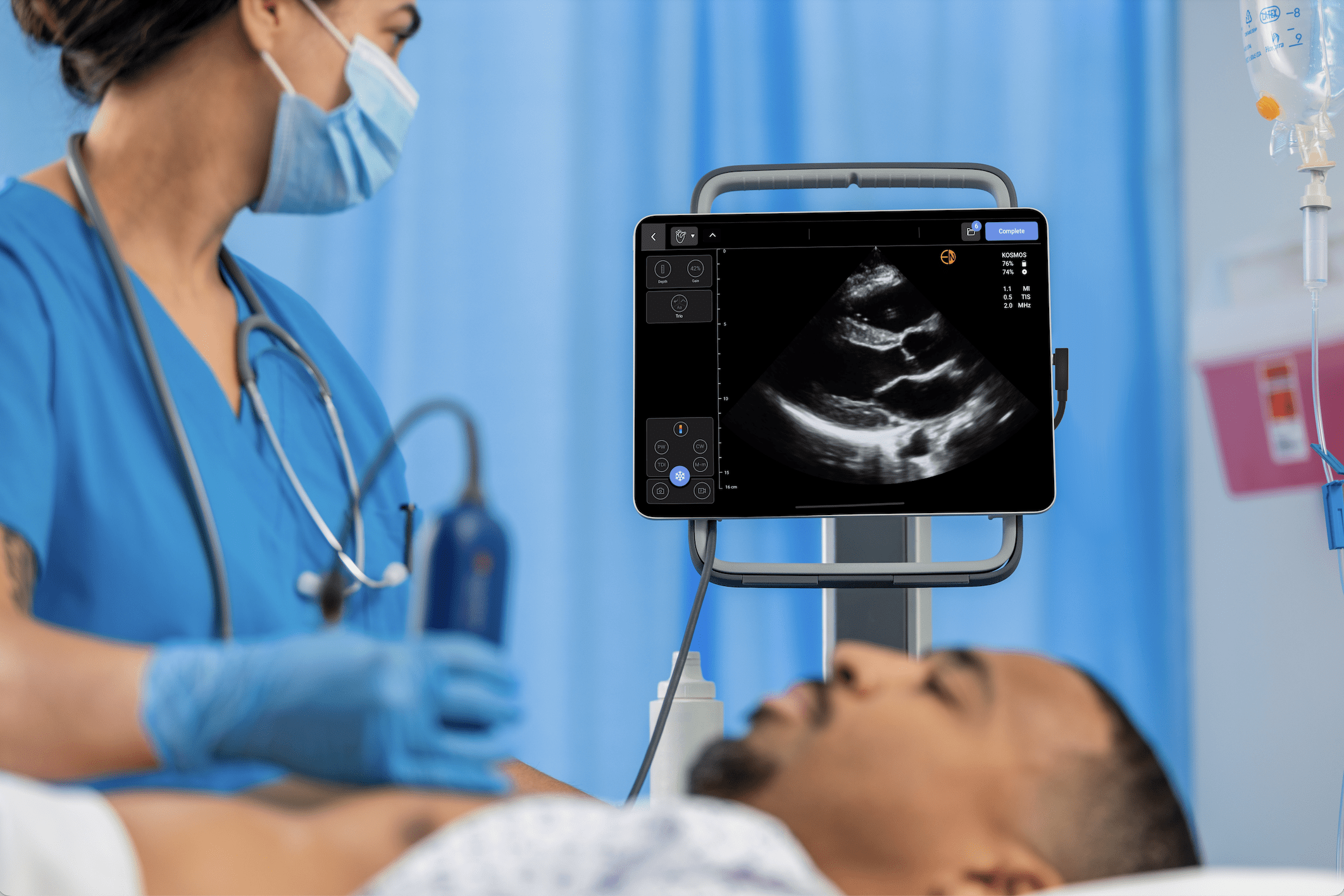
What Is the “Best” Point-of-Care Ultrasound? A Clinician-Centered Framework
Search for “best point-of-care ultrasound” and the results are often dominated by product rankings and technical specification sheets. However, for clinicians, educators, and hospital leadership, these metrics rarely capture the reality of clinical practice. This…